
If you wear glasses, bright weather comes with a particular irritation. You either squint through the afternoon in your everyday specs, or you switch to sunglasses and spend the day unable to read a menu, a map or your phone. Neither is much fun, and neither is safe when you are driving.
Prescription sunglasses fix that. What is far less obvious is which version you need, because the options run from a simple fixed tint through to polarised and photochromic lenses, and the gap in price between them is real. This guide explains what each one actually does, what the labels on the box mean, and where your money genuinely buys you something.
What prescription sunglasses actually solve
Two problems at once, which is the whole point.
The first is comfort. Squinting is your eyes trying to cut down light your lenses are not filtering, and a few hours of it leaves you with tired eyes and often a headache. The second is protection. Ultraviolet light reaches your eyes on cloudy days as well as sunny ones, and you cannot see or feel it.
The College of Optometrists is clear about why that matters. Ultraviolet light can cause cataracts and may be linked to macular degeneration, and children are more vulnerable than adults because they have larger pupils and clearer lenses inside their eyes. The word “may” around macular degeneration is theirs, and we keep it, because the evidence for the cataract link is much stronger than the evidence for the AMD one.
So the honest answer to whether prescription sunglasses are worth it depends on one thing. If you already wear glasses and you spend real time outdoors, in a car, or anywhere near water, snow, or open sky, then yes, comfortably. If you rarely leave the house before dusk, a good clip-on will do.
| A GOOD PLACE TO START: If you are not sure which lens suits how you actually spend your days, that is exactly the conversation to have in person. You can see the range on our sunglasses page, and we are happy to talk it through with no obligation to buy anything. |
Polarised, tinted or photochromic: which one you actually need
These three get used almost interchangeably in shops, and they do genuinely different jobs. Getting this choice right matters more than almost anything else you decide.
Fixed tint
A permanent tint of a chosen depth and colour. Simple, reliable, and usually the least expensive option. Grey keeps colours looking natural, which most people prefer for general wear and driving. Brown and amber lift contrast, which some people find easier on the eye in flat, overcast light.
The catch is that a fixed tint is fixed. Walk indoors and you are wearing sunglasses indoors. That is why a fixed tint works best as a dedicated second pair rather than your only glasses.
Polarised
A polarised lens contains a filter that blocks light reflecting off flat surfaces. Water, wet roads, car bonnets, snow. That reflected glare is the sharp, blinding kind, and cutting it out is a noticeably different experience rather than a marginal improvement. If you sail, fish, ski, cycle or drive a lot, this is where the upgrade earns its money.
Two things before you commit. Polarisation is not the same as ultraviolet protection, and a lens can have one without the other, so check both. And polarised lenses interact oddly with some digital screens, including certain car dashboards and cashpoint displays, which can look dark or patchy at particular angles. Most people adapt. A few find it genuinely annoying, and it is better to know beforehand.
Photochromic
These start clear and darken in response to ultraviolet light, then fade back indoors. The appeal is obvious, because one pair does both jobs and you are never caught out. We fit photochromic options including SEIKO SENSITY, and for a lot of people they are the practical answer.
There is one honest limitation worth knowing. Car windscreens are laminated and filter out most ultraviolet light, which is the very thing a standard photochromic lens needs in order to darken. So in the car, on a bright day, a conventional photochromic lens will often stay much lighter than you expect. Some specialist photochromic lenses are designed to activate behind glass. Most are not. If your main reason for wanting them is driving, say so, and we will point you to the right product rather than the obvious one.
At a glance:
| Lens type | What it does | Best for | Worth knowing |
|---|---|---|---|
| Fixed tint | A permanent tint of a set depth and colour | A dedicated second pair, holidays, general bright weather | Still dark indoors, so it does not work as your only pair |
| Polarised | Blocks glare reflecting off flat surfaces | Driving, water, snow, cycling, fishing | Can make some dashboard and cashpoint screens look dark or patchy |
| Photochromic | Starts clear, darkens in ultraviolet light, fades back indoors | One pair that covers both jobs | Usually stays light behind a car windscreen unless made to activate behind glass |
RUPAL RECOMMENDS: If you can only justify one pair, photochromic is usually the sensible choice. If you can stretch to a dedicated second pair, a fixed tint or polarised sunglass will outperform it on a genuinely bright day, because it is doing one job rather than compromising between two.
UV protection: what the labels and numbers actually mean
This is the part people get wrong most often, and it is worth two minutes of your attention.
A darker lens does not mean more protection. The College of Optometrists lists that as a common misconception about sunglasses, and it is a slightly alarming one, because a very dark lens with no ultraviolet filter is arguably worse than no sunglasses at all. Dark lenses open your pupils up. If there is no UV filter behind them, you have simply widened the door.
What you should look for instead is the marking. Sunglasses sold to standard carry a CE mark or the British Standard BS EN ISO 12312-1:2013, which is the manufacturer confirming the lenses meet the required safety level for ultraviolet protection. That marking matters far more than the depth of the tint.
You will also see a filter category number from 0 to 4. That tells you how much visible light the lens lets through. It is a darkness rating, not a protection rating, and the two are separate.
| Filter category | Description | Light let through |
|---|---|---|
| 0 | Clear or very light tint | Over 80% to 100% |
| 1 | Light tint | Over 43% to 80% |
| 2 | Medium tint | Over 18% to 43% |
| 3 | Dark tint | Over 8% to 18% |
| 4 | Very dark tint | Over 3% to 8% |
Source: College of Optometrists guidance on tints and driving, citing BS EN ISO 12312-1:2013. Category 3 covers most everyday sunglasses. Category 4 is mountaineering and high glare territory.
Prescription sunglasses for driving
Driving is where the wrong sunglasses stop being a comfort issue and start being a safety one.
The College of Optometrists sets out the position clearly. Filters suitable for road use and driving are categories 0, 1, 2 and 3. Category 4 lenses, which let through only 3 to 8 per cent of light, fall outside that, so they are not for driving at any time. Most everyday sunglasses sit in category 2 or 3, and both are fine on the road.
At night the rule is different again. Any sunglass filter letting through less than 75 per cent of light is unsuitable for road use in twilight or after dark. That rules out essentially every proper sunglass, which is worth saying plainly because tinted lenses are sometimes sold as a night driving aid. They are not.
Two practical points on top of the standards. Grey tints keep colours looking natural, which helps with traffic lights and brake lights. And polarised lenses are legal and generally excellent for driving, with the dashboard screen caveat mentioned earlier. Try them before you commit if you can.
| BEFORE YOU DRIVE IN THEM: Check the filter category on the arm of the frame or on the box. If it says 4, or if the label says not suitable for driving, keep that pair for the beach or the slopes and use something lighter on the road. Never keep a dark pair on as the light drops. Swapping to clear lenses at dusk is not fussiness; it is the difference between seeing a cyclist and not. |
Choosing a frame that suits a sun lens
Frame and lens are one decision, not two, and that is even truer for sunglasses than for everyday glasses.
Coverage comes first. A larger lens and a frame that sits closer to your face cut out light arriving from above and around the sides, which is where a surprising amount of glare gets in. If you spend long stretches outdoors, a wraparound shape is worth considering, and we stock wrapped styles suited to sport and exercise.
Then there is your prescription. A strong prescription in a heavily curved wraparound is technically demanding, because the curve of the frame and the optics of the lens have to be reconciled. It is doable with the right lens design, but it is a conversation to have before you fall in love with a frame.
Colour matters more with sunglasses than with clear glasses, because the lens changes how the whole frame reads on your face. Our guide to choosing a frame colour for your skin tone and hair applies just as well here. You can also browse our frames collection to see the sort of thing we curate, which leans towards independent designers rather than the same shapes everyone else carries.
Clip-ons, fit-overs and second pairs
None of these are second best. They are different answers to different budgets and habits.
Clip-ons and flip-ups attach to the frame of your existing glasses and are recognised by the College of Optometrists as a perfectly sensible option. They are the cheapest route, and they suit anyone whose outdoor time is occasional. The trade-offs are bulk, limited coverage at the sides, and the fact that they rarely look as good as a purpose-made sunglass.
Fit-overs go on top of your glasses entirely. They come into their own after eye surgery, or when someone needs sun protection immediately, and a made-to-order pair is not practical yet. Comfort and appearance are the compromise.
A dedicated pair costs more and is better at the job, because you get proper coverage, a frame chosen to suit you, and a lens made for the light you are actually in. If your outdoor time is measured in hours a week rather than days a year, it usually pays for itself in comfort.
| WORTH KNOWING: If you already have a frame you love, ask whether it can take a sun lens. It often can. If it cannot, we will tell you why rather than quietly making it work badly. |
Where the money actually goes
The lens drives the price more than the frame does, which surprises most people.
Four things move the figure. The lens design, because a varifocal sun lens involves far more work than a single vision one. The material, because a thinner lens for a stronger prescription costs more to make. The technology, because polarisation and photochromic behaviour are both genuine engineering rather than a coating sprayed on at the end. And the frame, which is the part everyone assumes is the whole cost and usually is not.
That is why the same frame can carry a very reasonable sun lens or an expensive one, and why the deciding factor is more often your prescription than your taste. Ask for the options and what each one costs before you commit. We keep our answers to cost questions in one place on our pricing and FAQ page.
What happens when you come in for prescription sunglasses
It should feel like the same conversation as ordering everyday glasses, because it largely is.
We start with your prescription. If yours is more than a couple of years old, or you have noticed any change, we will suggest a fresh eye examination first. Ours run to 45 minutes, which is time to look properly rather than time to fill. If you are not sure what the numbers on your prescription mean, our plain-English guide to reading your glasses prescription explains them.
Then we ask what you actually do, before we ask what you like the look of. Whether you drive at night, whether you are on the water, whether you ski, whether you have had cataract surgery. Those answers decide the lens, and the lens narrows the frame.
After that, it is measurements, which have to be taken with the chosen frame on your face rather than estimated, and then a proper fitting when the sunglasses arrive. Sunglasses get pushed up onto heads and dropped into bags more than any other eyewear, so they drift out of alignment faster. Every pair bought from us comes with complimentary aftercare, so adjustments and cleaning are simply part of owning them.
If you would like a sense of how that turns out for other people, our client gallery is real clients in frames we helped them choose.
| READY TO SEE PROPERLY IN THE SUN? Come and try a few pairs on. There is no charge for the conversation and no obligation to order anything. Book an appointment or simply pop in during opening hours and ask. |
Prescription sunglasses: your questions answered
Are prescription sunglasses worth it if I only wear glasses for reading?
Often not, and we will say so. If your distance vision is fine, a good pair of standard sunglasses with proper ultraviolet protection covers you outdoors, and you can carry your readers separately. It changes if you read outdoors regularly, in which case a prescription pair earns its place.
Do polarised lenses give more UV protection?
No. Polarisation cuts glare from reflective surfaces, and ultraviolet protection is a separate property of the lens. A lens can be polarised and poor at blocking UV, or unpolarised and excellent at it. Check for the CE mark or BS EN ISO 12312-1:2013 either way.
Why do my photochromic lenses stay clear in the car?
Because they are working exactly as designed. Windscreens are laminated and filter out most ultraviolet light, and ultraviolet is the trigger a standard photochromic lens needs. If driving is the main reason you want them, ask about lenses made to activate behind glass, or consider a dedicated pair of prescription sunglasses instead.
Can I put sun lenses in my existing frame?
Frequently yes, provided the frame is in good condition and suits the lens. Bring it in, and we will check it before you commit to anything.
Do children need prescription sunglasses?
Children are more vulnerable to ultraviolet light than adults, because their pupils are larger and the lenses inside their eyes are clearer. Proper sun protection matters, and a wide-brimmed hat helps as much as eyewear does. If your child wears glasses, it is worth raising at their next children’s eye examination.
So, are prescription sunglasses worth it?
For most people who already wear glasses and spend real time outdoors, yes. Not because they are a luxury, but because the alternative is squinting through half the year or swapping to sunglasses you cannot see properly through.
What decides whether the money is well spent is not the brand on the arm. It is whether the lens matches how you actually use your eyes, whether the frame gives you the coverage you need, and whether the ultraviolet protection is genuine rather than assumed from the depth of the tint.
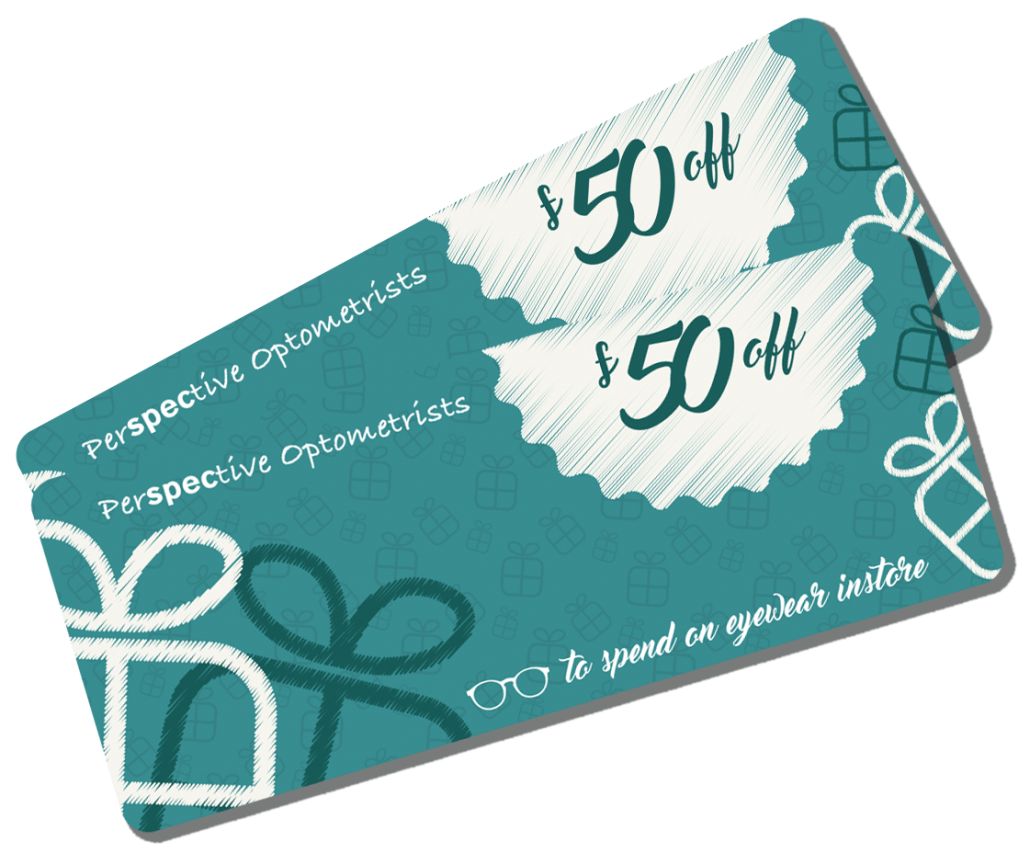
That is a conversation, not a transaction. If you would like to have it unhurriedly, with someone who will tell you when the cheaper option is the right one, take a look at our sunglasses range or book an appointment. Not quite ready? We often have a £50 voucher towards glasses, and it will keep until you are.