

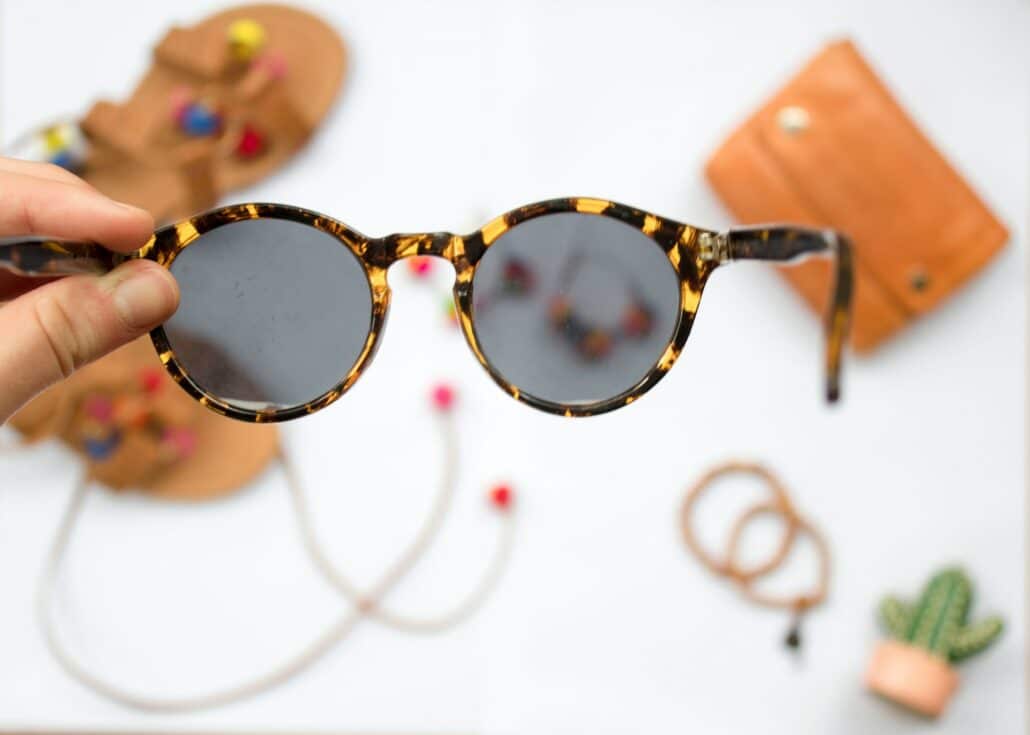
Discover the Science of Transition Lenses & Their Benefits
Transition lenses, also known as photochromic lenses, have become increasingly popular among eyeglasses wearers for their ability to adapt to varying light conditions and provide a comfortable viewing experience. By automatically darkening when exposed to sunlight and returning to a clear state indoors, these lenses present a convenient and stylish solution for those seeking to protect their eyes from the sun’s harsh glare without the need for a separate pair of sunglasses.
In this article, we will delve into the fascinating science behind transition lenses, shedding light on their inner workings and examining the potential benefits they may offer for improved eye comfort and vision. Additionally, with the premium quality options available at Perspective Optometrists, you can rest assured that your eyes will receive the best possible care through innovative and stylish solutions.
The Inner Workings of Transition Lenses
At their core, transition lenses are made from various layers of materials designed to react to ultraviolet (UV) radiation. These lenses contain millions of molecular compounds known as photochromic molecules, which undergo a chemical reaction when exposed to UV light. One of the most common photochromic molecules used in the production of these lenses is silver chloride. When exposed to UV radiation, these molecules change their chemical structure, causing them to absorb more light and appear darker in colour. Conversely, when UV exposure is removed, the molecules return to their original structure, and the lenses revert to a clear state.
This seamless transition between clear and darkened states allows wearers to enjoy an optimal viewing experience in various lighting conditions without having to change between regular prescription eyeglasses and sunglasses.
Benefits of Transition Lenses
Transition lenses offer a wide range of potential benefits for eyeglasses wearers in terms of both eye health and visual comfort. Some of these benefits include:
- UV protection: By blocking 100% of both UVA and UVB rays, transition lenses offer comprehensive protection for your eyes against the harmful effects of ultraviolet radiation, which can contribute to conditions such as cataracts and age-related macular degeneration.
- Reduced eye strain: With their ability to adapt to different light conditions, transition lenses can help reduce eye strain and fatigue caused by squinting in bright sunlight. This is particularly beneficial for individuals who require vision correction and spend significant time outdoors.
- Convenience: Transition lenses eliminate the need for switching between prescription eyeglasses and sunglasses throughout the day, ensuring a seamless visual experience to suit varying light conditions.
- Cost-effectiveness: Investing in a pair of transition lenses can save money in the long run, as there is no need to purchase separate prescription sunglasses. This is especially true for individuals with changing prescriptions who may require frequent updates to their lens prescriptions.
Types of Transition Lenses
Over the years, advancements in technology have led to the development of various types of transition lenses to cater to the diverse needs of eyeglasses wearers. Some of the most popular types include:
- Standard Transition Lenses: These are the most common and popular type of transition lenses. They offer excellent UV protection and adapt well to different light conditions, providing an optimal viewing experience for most wearers.
- Transition Xtractive Lenses: These lenses are designed to darken further in response to bright sunlight, making them ideal for individuals who spend significant time outdoors. They also offer slight tinting in indoor conditions, which can be particularly beneficial for individuals sensitive to artificial lighting.
- Transition Vantage Lenses: Equipped with both photochromic and polarising technology, these lenses offer an additional layer of protection against horizontal glare, helping to further reduce eye strain and enhance visual comfort in bright sunlight. A suitable choice for those who engage in outdoor sports or work in bright, reflective environments.
- Transition Drivewear Lenses: Specifically designed for driving, these lenses combine the benefits of both photochromic and polarised technology. They offer optimal visual clarity in various light conditions, reduce glare from oncoming headlights, and adapt to changing weather conditions, enhancing the safety and comfort of drivers.
Care and Maintenance of Transition Lenses
Like any other type of eyeglasses, transition lenses require proper care and maintenance to ensure their performance and longevity. Some important tips for looking after your transition lenses include:
- Cleaning: Regularly clean your lenses using a gentle lens solution and a microfiber cloth to remove dirt, fingerprints and smudges. Avoid using harsh chemicals or abrasive materials, as these can damage the lens coating.
- Storage: When not in use, store your transition lenses in a protective case to prevent scratching or damage.
- Check for wear: Examine your lenses from time to time for signs of wear, such as scratches or fading. If the photochromic coating appears to be less effective over time, consult an optometrist to discuss replacement options.
- Temperature sensitivity: It is important to note that extreme temperatures can affect the responsiveness of transition lenses. Cold temperatures may cause the lenses to darken more slowly or remain darkened for longer periods, while very hot temperatures may reduce the lens’s darkening ability. Keep this in mind when using your transition lenses in extreme environments.
Enhance Your Visual Experience with Transition Lenses
Transition lenses present a versatile and convenient option for those who require vision correction and desire a seamless visual experience in various lighting conditions. With their superior UV protection, reduced eye strain, and dynamic adaptability, these lenses are a valuable investment for your eye health. At Perspective Optometrists, our skilled professionals are passionate about providing personalised eye care solutions to meet your unique needs.
Explore the premium quality transition lens options available at Perspective Optometrists and embrace the perfect blend of innovation, style, and convenience. Book an appointment today to consult our expert opticians and find the ideal transition lenses that enhance your visual experience and elevate your eyewear game. Trust our committed team to guide you every step of the way, ensuring optimal eye health and satisfaction.


